Three problems at the edge
Every operator with sites far from the nearest office meets the same three problems.
- Visibility: the state of each site right now, without sending someone to look.
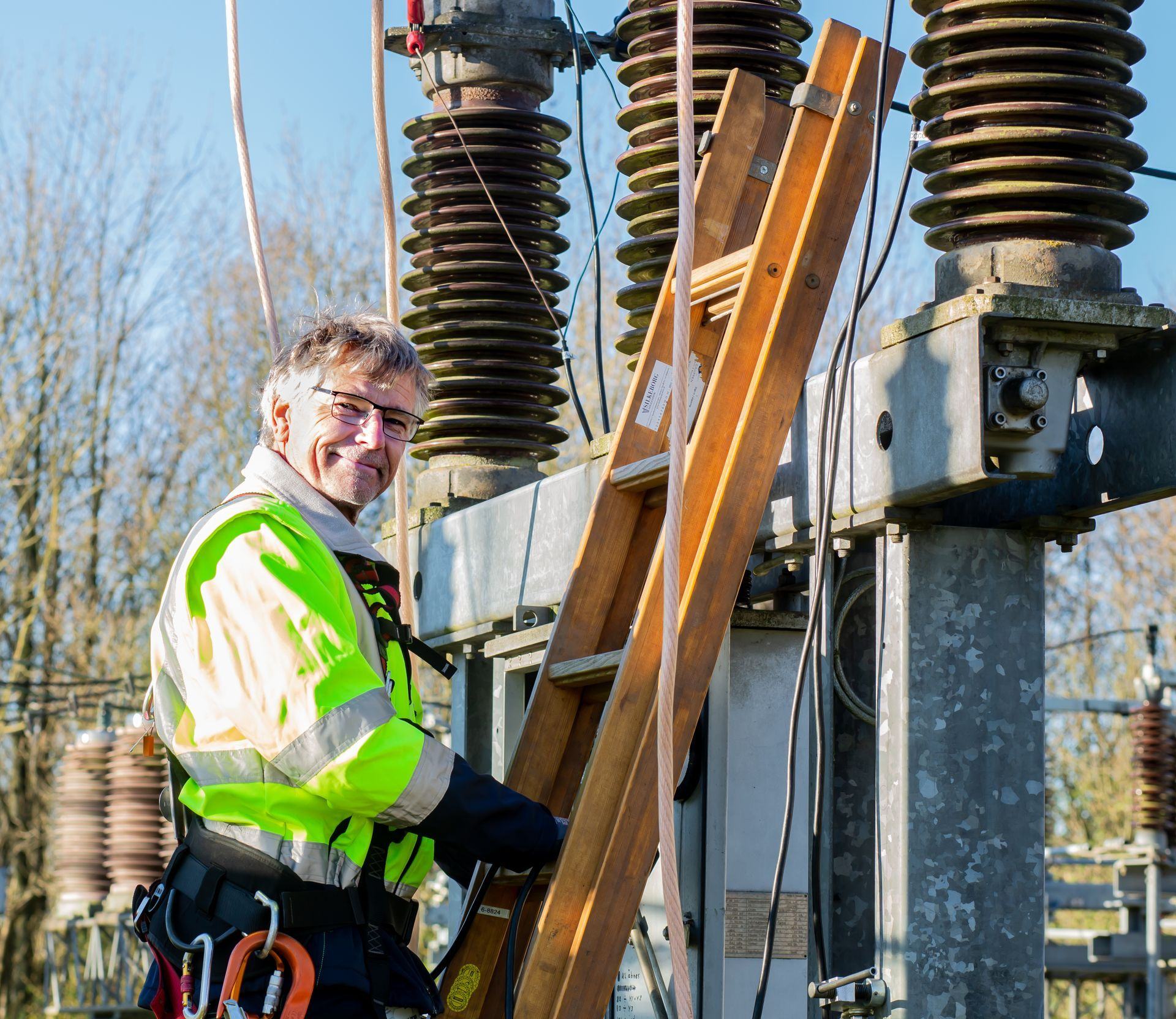
- Accountability: who visited, what they did, and whether the job was closed properly.
- Security: physical security of gates, cabinets and equipment, and digital security of who can see and change what.
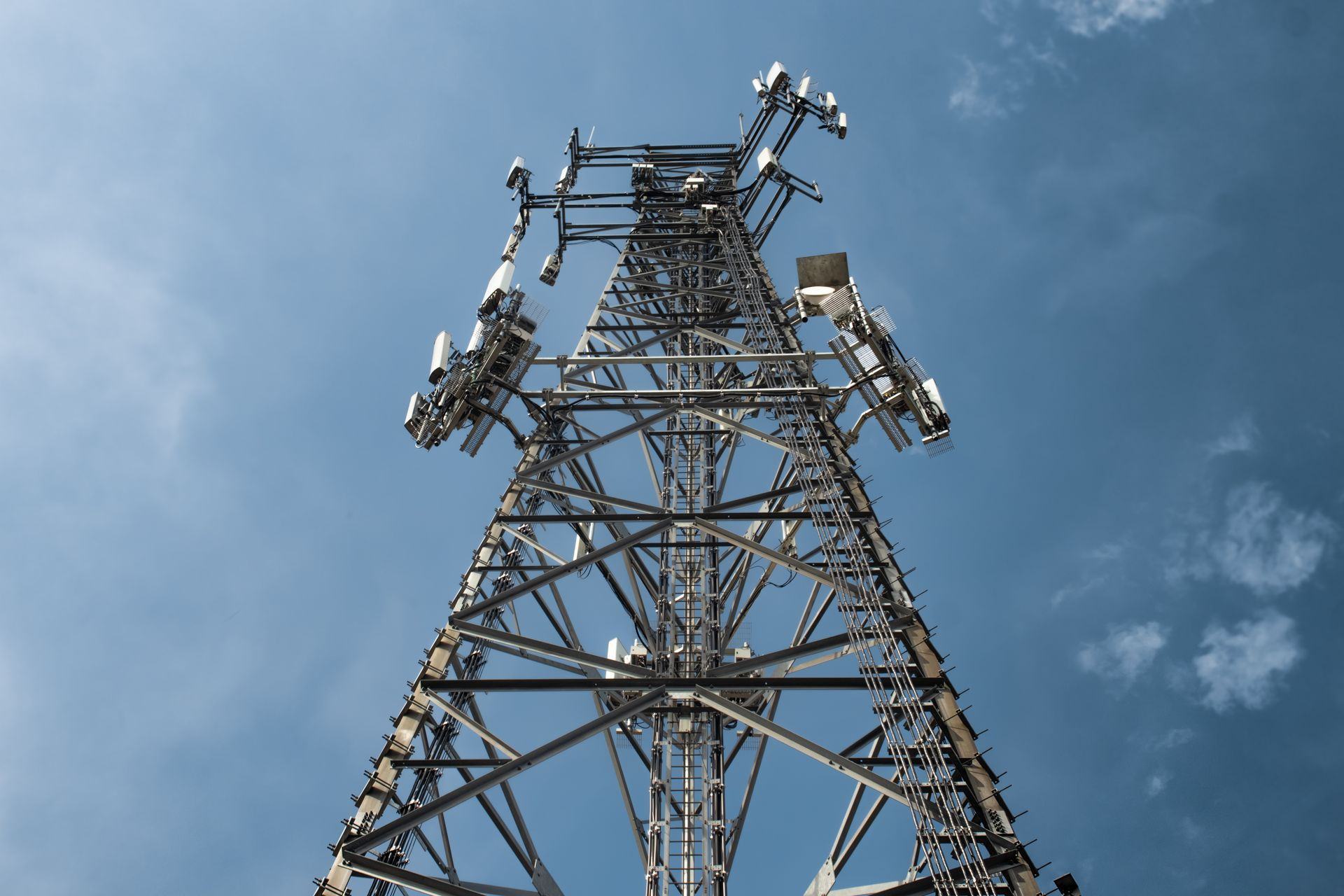
For one telecoms operator, reported by Mi-C3, the company behind Affectli, the pressure was sharper still. Its sites had to meet repair times set in strict service-level agreements, and its network operations centre (NOC) ran much of its work through email.
Visibility: every site as it is now
The work started by integrating the operator’s existing systems and connecting the sensors and devices at each site. Feeds from across the estate flow through the Mi-Stream engine, which applies rules, filters and integrity checks, and on to the Events Monitor. Each event opens to its full history: people, documents, status, actions and severity.
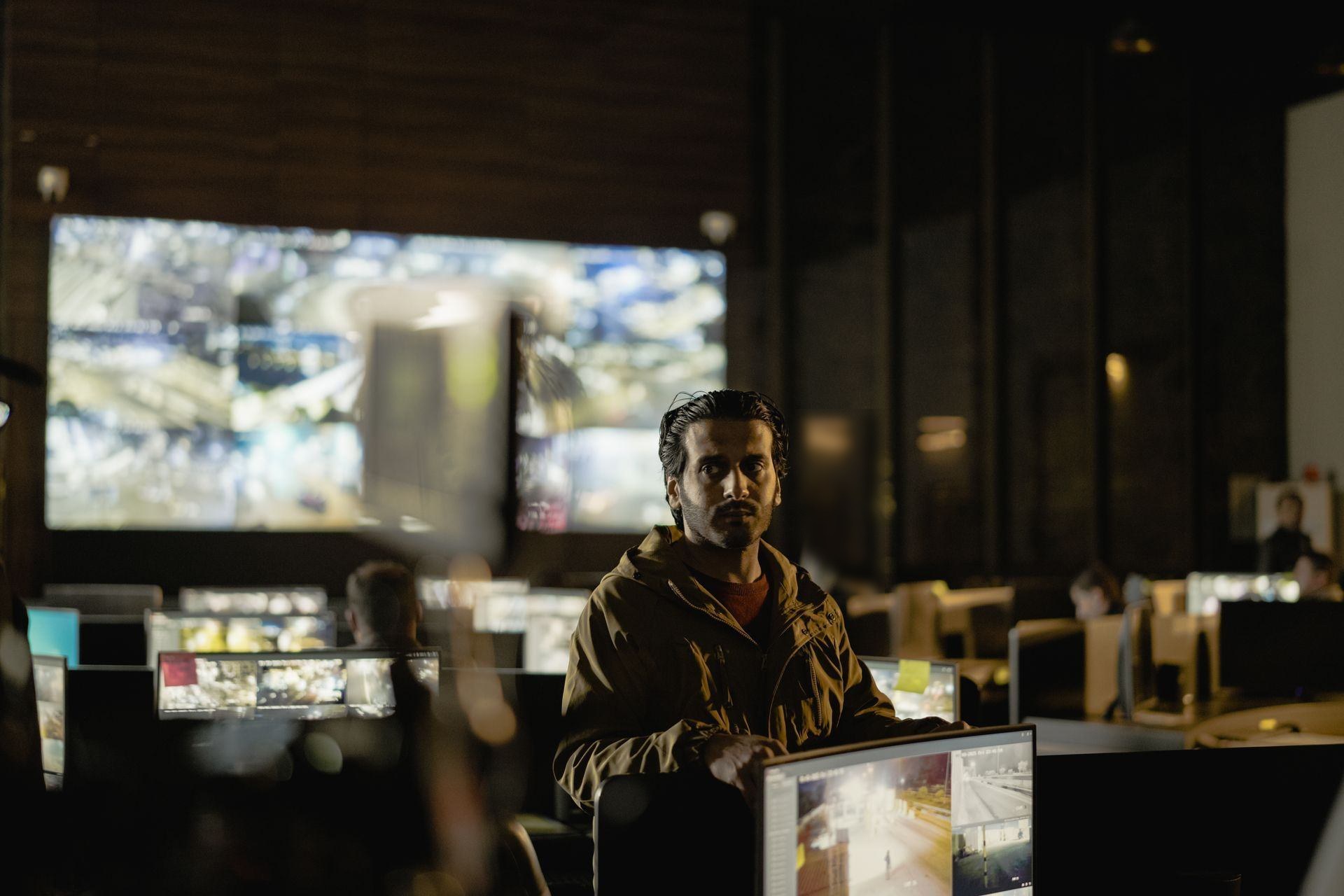
Each site has a digital twin: a schematic view that drills down to details such as generator fuel levels, security breaches, server-room temperatures and maintenance schedules. In Situational Awareness, every site, asset and person sits on one map, so the NOC sees a fault and the nearest technician together.
Accountability: every action on the record
The operator’s processes, from fault handling to preventive maintenance and service delivery, were rebuilt in Affectli Designer, which builds apps, workflows and forms by drag and drop on BPMN 2.0. An event raises a task automatically, against criteria the operator sets, and the task carries its history as it moves.
Work and conversation moved into A-Box: one workspace for tasks, messages and documents, with timeline and calendar views. Each task holds the communication and documents that belong to it, so a handover starts from the task itself.
Security: rules in the model
Everything in the organisation has a profile in Affectli: people, assets, clients, vendors and tenants. Parent-child relationships and classifications link the profiles, and the same structure sets who can see and do what. A contractor sees the sites and tasks the job needs. Breaches and access events show on the site’s twin and on the map, next to the camera feeds from the site.
Reporting from live data
Dashboards and reports update in real time and can be cut by region or by indicator, hourly, daily or weekly. A drag-and-drop report builder turns any chart into part of a monthly or annual report.
Lessons for any remote estate
- Model each kind of site once, and reuse the model for every new site.
- Keep the conversation on the task it belongs to.
- Set access once, in the model, and let every app follow it.
- Give the NOC and the field the same picture.
Read the telecoms briefing at Mi-C3 ↗, or see the apps built on Affectli, including Field Operation Management and Network Surveillance.