What a digital twin is
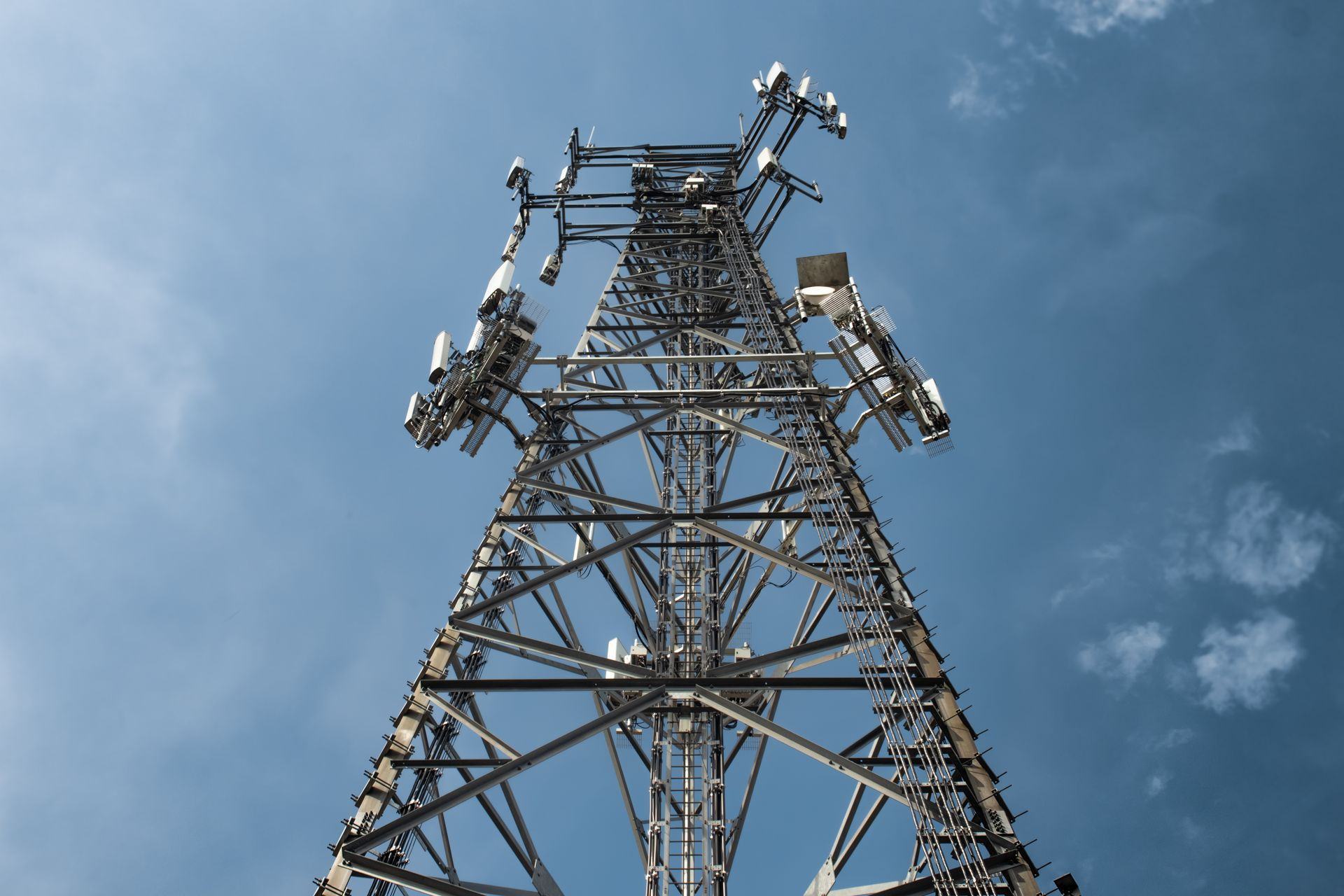
A digital twin is a digital representation of something real: a generator, a fuel tank, a vessel, a telecoms tower, a substation, or a whole site with its equipment and the people who look after it. Live data from the field keeps it current, so it shows the thing as it is now.
The idea is well established. What decides whether a twin earns its place is the model behind it.
Why the model matters
Many twins are built as separate models. Someone draws the site, wires in a few sensor feeds and publishes it. The trouble starts soon after. Equipment is replaced, sensors move, crews change. The twin drifts away from the asset register, the map and the work-order system, and people stop trusting it.
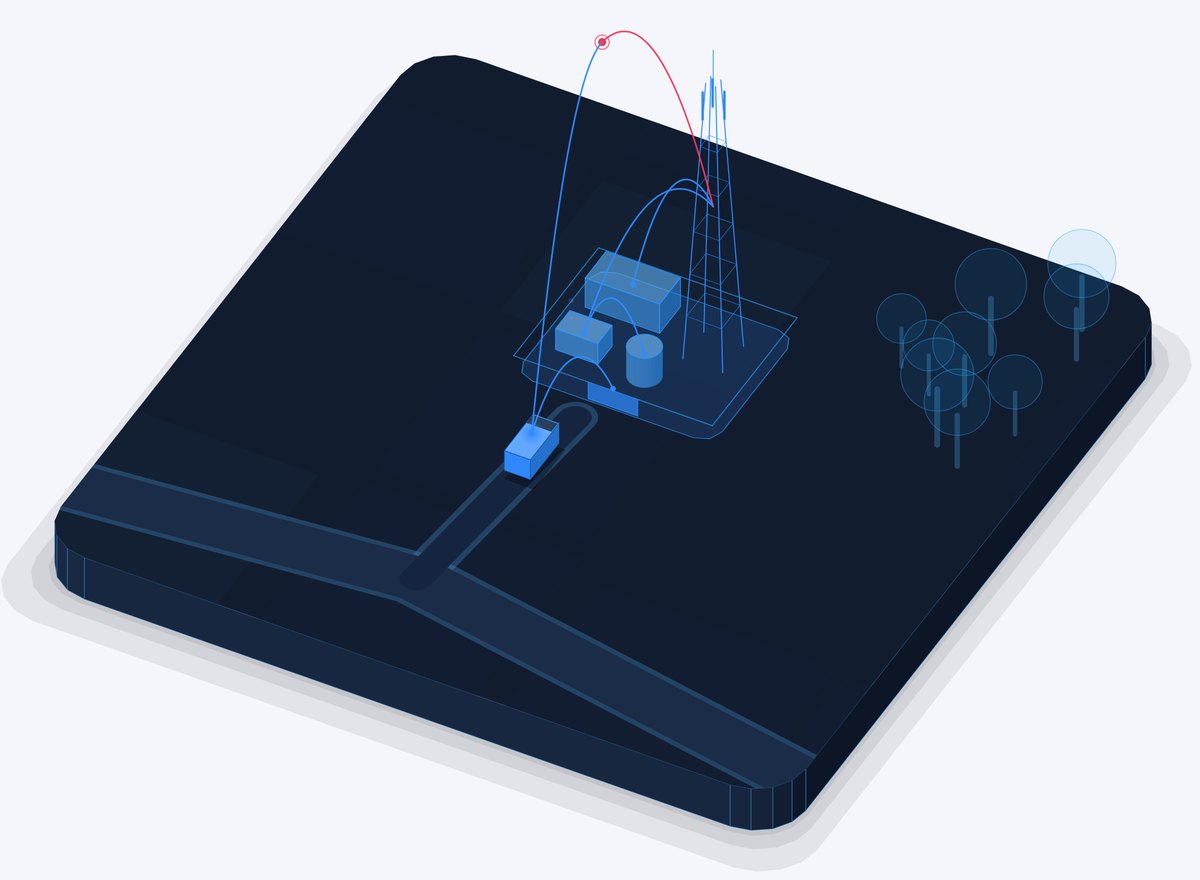
Affectli builds twins the other way round. A twin in Affectli is a schematic view of an asset or a group of assets, drawn from the platform’s semantic ontology: the same objects, properties and links that drive the map, the event feed and the work queue. When an asset changes in the model, its twin changes with it. When a sensor raises an alarm, the twin, the map and the Events Monitor all show it, because they all show the same object.
That shared model is also what makes a twin drillable. From a site view, an operator can open one generator and read its fuel level, or open a server room and read its temperature. From there, the related data is a click away: the alarm history, the open work, the documents and the nearest crew.
What teams do with it
In practice, a twin in Affectli lets a team:
- see a remote site as it is now, without driving to it;
- open any asset and follow its links to alarms, work history and drawings;
- track assets, and manage who has access to the site;
- check connected camera feeds when an alarm or a breach needs a closer look;
- find the nearest qualified person on the map and send them from the same screen.
Here is how that played out for one operator, as reported by Mi-C3, the company behind Affectli.
Field example · reported by Mi-C3
A cell-tower owner with remote sites. The company ran site management by hand, across several apps, spreadsheets and email. Reporting was slow and often inaccurate, and it was hard to keep track of people, fuel and equipment at sites far from any office. Repair times were set by a strict service-level agreement.
Affectli brought the signals from each site together and built a twin of every site on the ontology. The team now sees each site live, opens any asset for detail, checks camera feeds and alarms in context, and sends the nearest person when something needs attention. The tower owner reports zero no-fuel days.
Anonymised · Mi-C3’s own figures
Where to start
Pick one kind of site: a tower, a pump station or a substation. Model it once, with the assets and links your teams already talk about. Connect the feeds that matter most. Every new site of that kind then gets its twin from the same model, and the twin stays in step because there is nothing separate to update.
See digital twins alongside the map and workflows on the platform page, or read how the ontology underneath works.