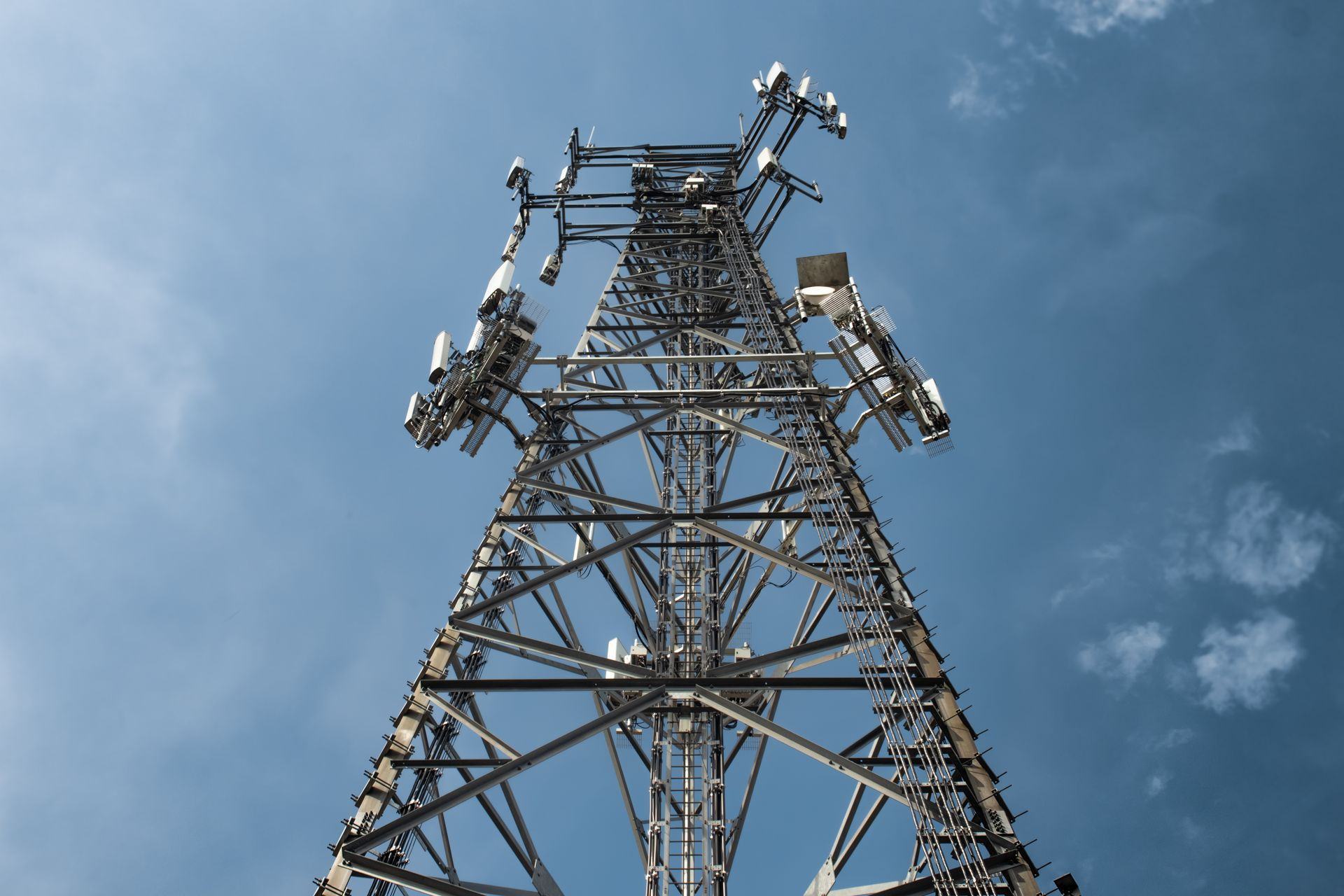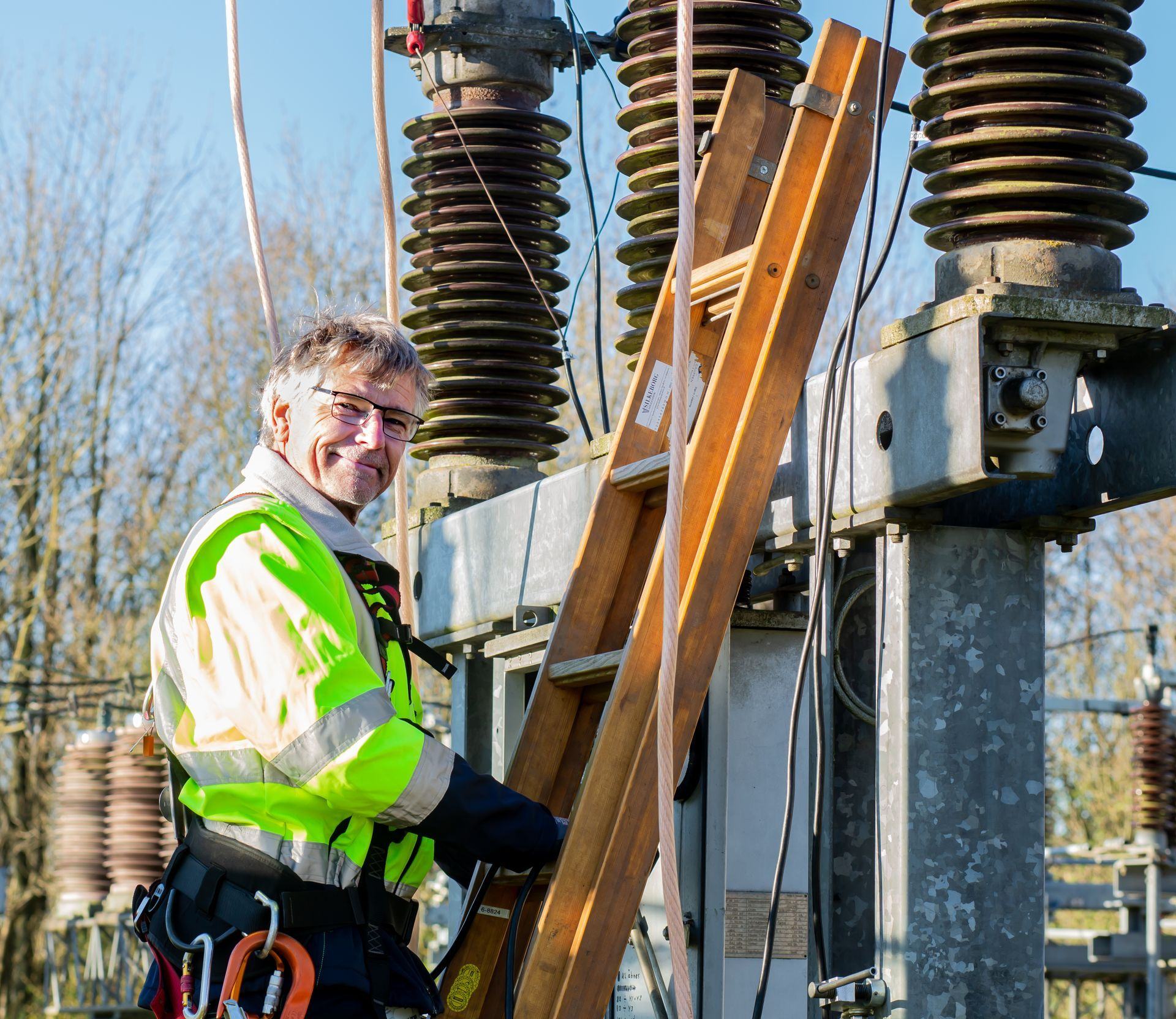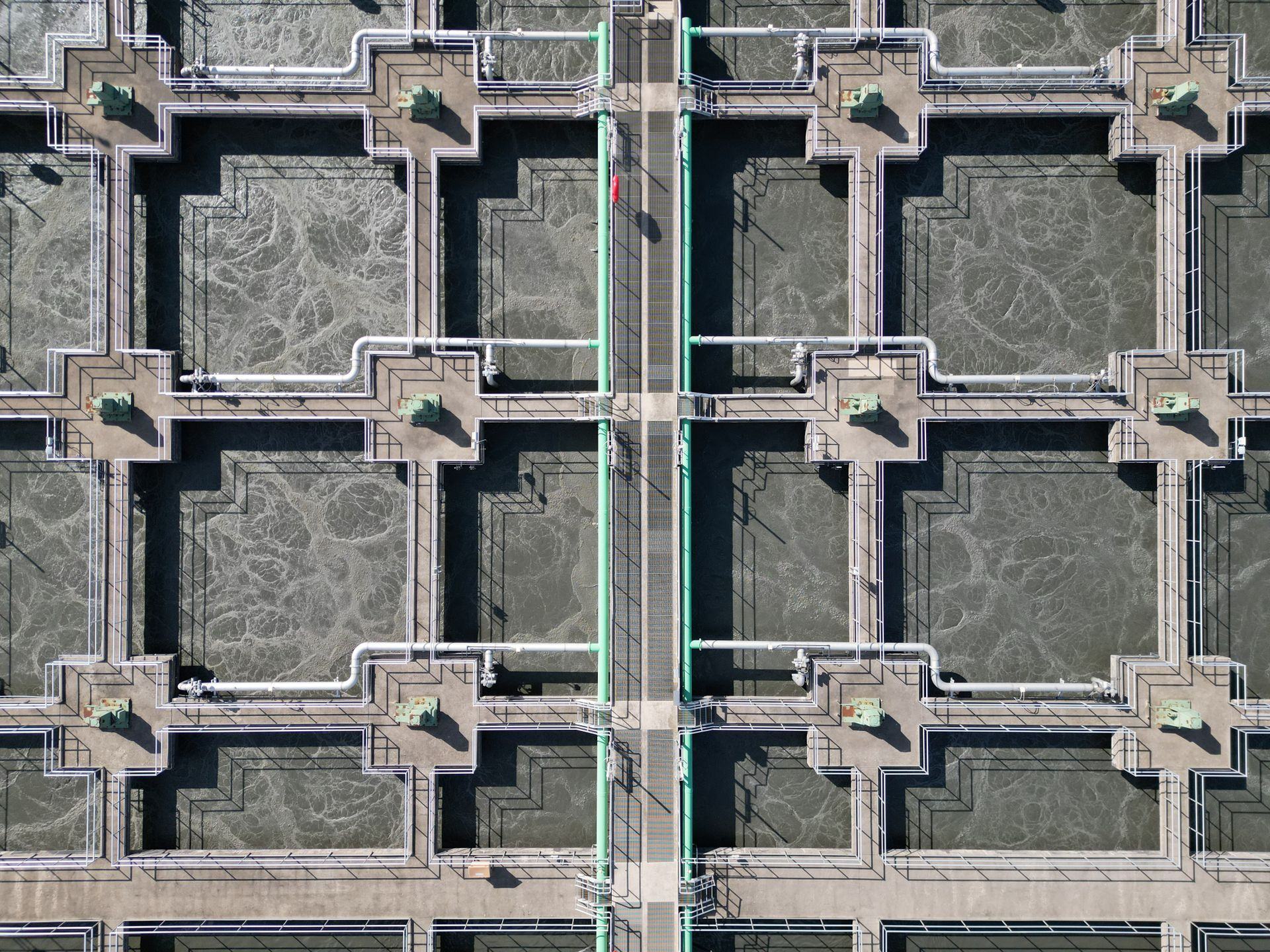
This example comes from Mi-C3, the company behind Affectli. The operator is anonymised. The figures are Mi-C3’s own.
The network
The company provides water and sanitation services. Its network runs through about 11,000 km of distribution pipes and feeds 33 water towers and 87 reservoirs and pump stations, around the clock.
Before: alarms and manual pumps
Programmable logic controllers (PLCs) measured and monitored every reservoir. What reached the operators was a stream of numbers, plus an alert whenever an alarm tripped. Then the work began. Shutdown notices went out, crews stopped what they were doing, and pumps were opened and closed by hand to keep water reaching the people on the network.
The team spent its days reacting. On its most critical tanks it saw five to six low-level alarms a day, and the average level in those reservoirs sat only just above empty.
Step 1: one map of the network
The company’s sensors and assets were connected to Affectli and placed on one map in Situational Awareness. An asset’s icon changes colour when a fault occurs or an alarm is raised, and changes again as the issue is resolved or escalated. Operators see where a problem is as soon as it starts. The PLCs and the existing telemetry stayed in place.
Step 2: alarms that raise work
When an alarm is raised, Affectli creates a ticket for the relevant field operator. The ticket carries its own conversation, documents and history, so everyone working on it sees the same facts, and every step is on the record.
Step 3: a warning from the history
With signal and alarm history in one place, the team could see how fast each reservoir emptied. From those consumption rates, Affectli predicts when a reservoir will reach a critically low level. A rule now warns the operator three hours ahead, so crews can act before supply is interrupted and before an emergency shutdown is needed.
Step 4: the whole picture every two hours
A summary of the water level in every reservoir goes to the team’s mobile devices every two hours. Managers away from the control room see the same readings as the operators in it.
The result
Within eight days, low-level alarms on the critical tanks fell from five or six a day to one.
What made it work
- The existing systems stayed. Affectli connected to the PLCs and telemetry already in the field.
- Every alarm had an owner. Each one arrived tied to an asset, a place and a field operator, with a ticket to follow.
- The warning came from the operator’s own data. The three-hour rule is built on the network’s real consumption history.
- The field and the office shared one picture. The same levels reached the control room and the mobile devices.
Read the water briefing at Mi-C3 ↗, or see how Situational Awareness and workflows work in Affectli.